
Architectural Wire Mesh: Facade Wire Fabric, Interior Decoration, and Partition Mesh
Truji Architectural Mesh Co. specializes in the precision manufacturing and design of Metal Decorative Wire Mesh for architectural applications. Products are made from high-quality materials and customized to meet specific project needs. The range is divided into three main series. The Curtain Wall and Facade Wire Fabric series is used for enhancing building exteriors. The Interior Decoration Mesh series provides functional and aesthetic solutions for hotels, hospitals, office buildings, and similar spaces. The Partition Mesh series includes options such as metal curtains, ring mesh coil drapery, metal bead curtains, and stainless steel cable rod mesh for space division and interior design.
Product Specifications
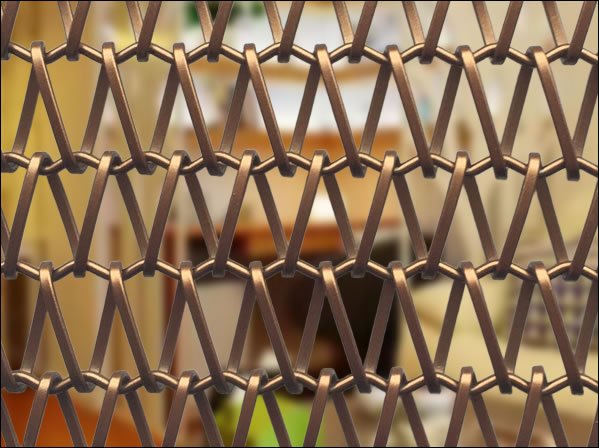
- Woven Wire Mesh: This type of mesh is produced from materials such as stainless steel, brass, or bronze, and is formed through weaving techniques like plain, twill, or Dutch styles. It is commonly applied in architectural elements including wall panels, space dividers, and exterior cladding because of its durability and aesthetic qualities. Typical sheet dimensions are 1.2 by 2.4 meters, with opening sizes between 2 mm and 10 mm.
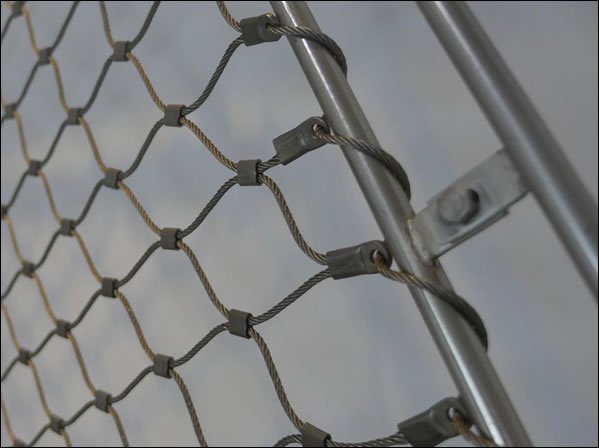
- Cable Rod Mesh Webnet: Also referred to as Webnet, this mesh consists of stainless steel cables joined together using ferrules or sleeves. Valued for its high tensile strength and adaptability, it is often used in applications such as railings, vertical garden supports, animal enclosures, and stairwell safety nets. A typical mesh panel measures 1.5 by 3 meters, with cable spacing available in various configurations.
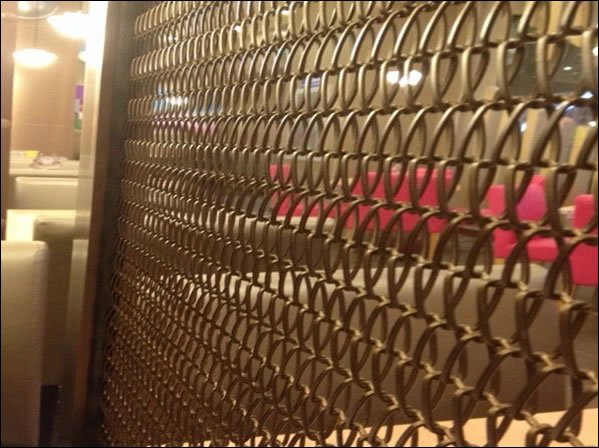
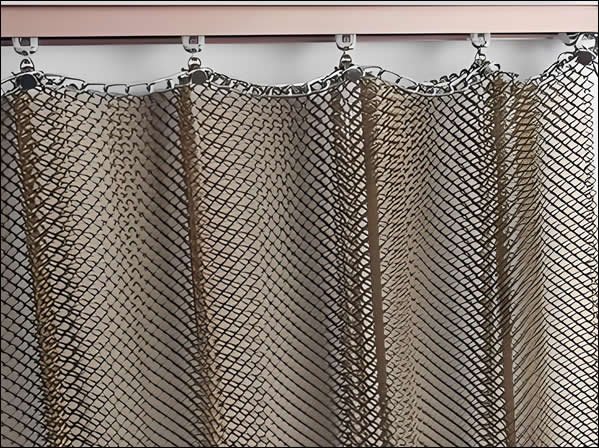
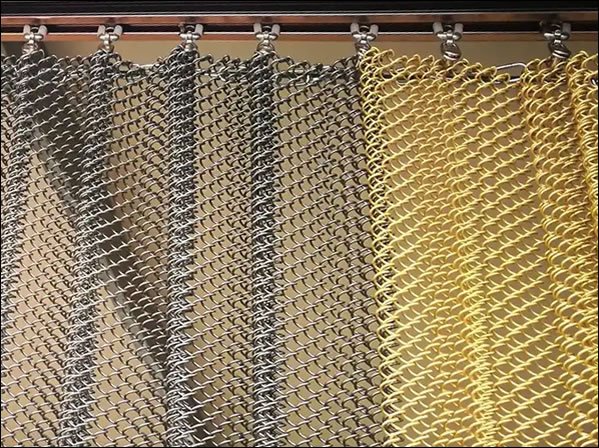
- Metal Mesh Curtain: Constructed from linked metal rings or spiraled coils, metal mesh curtains allow light to pass through while maintaining partial visibility. They are frequently used for dividing spaces, covering windows, or enhancing ceiling designs, serving both practical and decorative purposes. Standard dimensions are 1.2 by 3 meters, with wire thicknesses typically between 0.5 mm and 2.0 mm.
- Decorative Mesh Panel: These panels are formed from welded, woven, or expanded metal featuring geometric designs. Used in applications such as wall coverings, exterior facades, and furniture accents, they offer a balance of functionality and visual design. Common panel dimensions are 1.2 by 2.4 meters, with aperture sizes ranging from 5 mm to 25 mm, suitable for both indoor and outdoor settings.
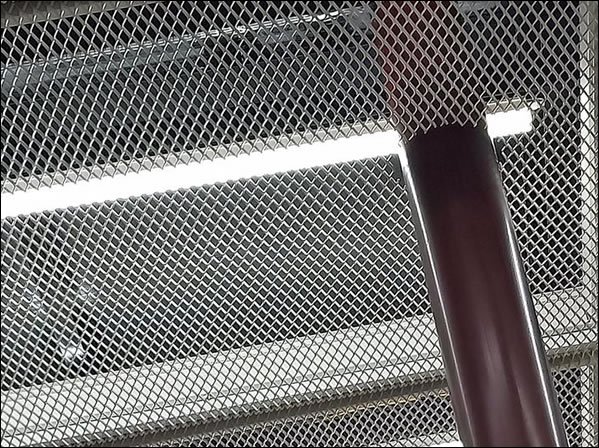
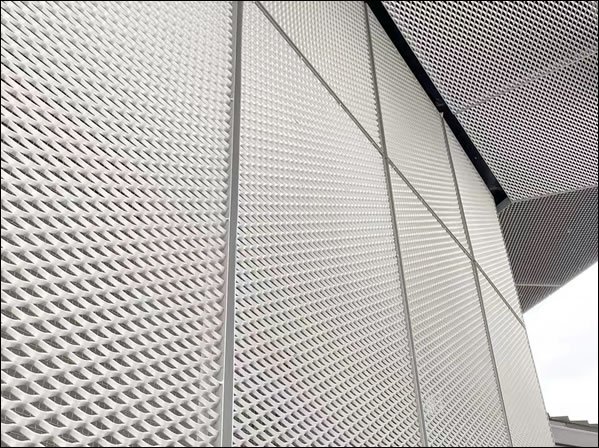
- Architectural Expanded Mesh: Created by cutting and stretching metal sheets into diamond or hexagon-shaped patterns, architectural expanded mesh is widely used for exterior facades and shading systems. It enhances building aesthetics while allowing ventilation and light passage. Standard sheet sizes are 1.2 by 2.4 meters, with strand widths ranging from 1 mm to 5 mm and mesh openings between 10 mm and 50 mm.
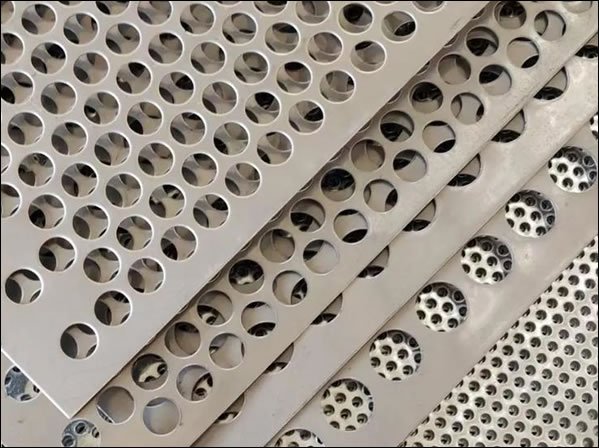
- Architectural Perforated Metal: This material consists of stainless steel or aluminum sheets with accurately punched holes in various patterns. Commonly utilized for façade cladding, acoustic panels, and decorative design elements, it offers both visual appeal and practical performance. Hole diameters typically range from 1 mm to 20 mm, with standard panel sizes of 1 by 2 meters, though custom dimensions are also available.
- Spiral Wire Mesh Belt: Made from interlocked stainless steel spirals, spiral wire mesh belts provide both durability and flexibility. Commonly applied in moving facades, interior dividers, and wall systems with integrated motion or airflow, they offer both structural and decorative benefits. Standard widths range from 1 to 3 meters, with spiral pitches between 5 mm and 30 mm to control texture and ventilation.
- Decorative Chain Link Mesh: This mesh is formed by interweaving steel or aluminum wires into diamond-shaped patterns. Often used in fencing, decorative displays, and partition walls, it delivers a combination of security and visual interest. Aperture sizes typically range from 20 mm to 50 mm, with mesh heights up to 3 meters, and finishes such as powder coating or anodizing are commonly applied for durability and color.
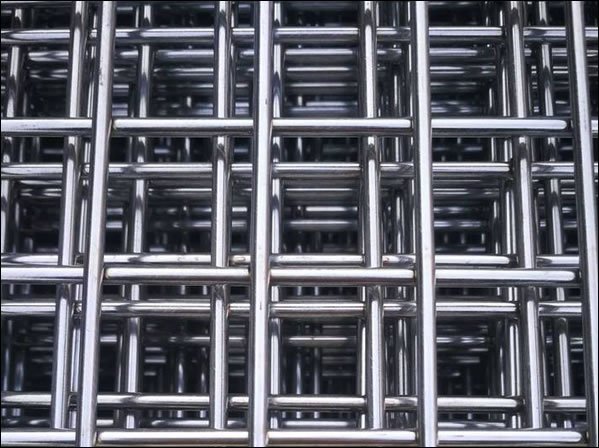
- Decorative Welded Mesh: This mesh consists of steel rods welded at intersections to form square or rectangular openings. Commonly used in infill panels, shelving units, and protective barriers, it combines structural integrity with visual simplicity. Mesh sizes typically range from 25×25 mm to 100×100 mm, with standard panel dimensions of 2×3 meters for both indoor and outdoor use.
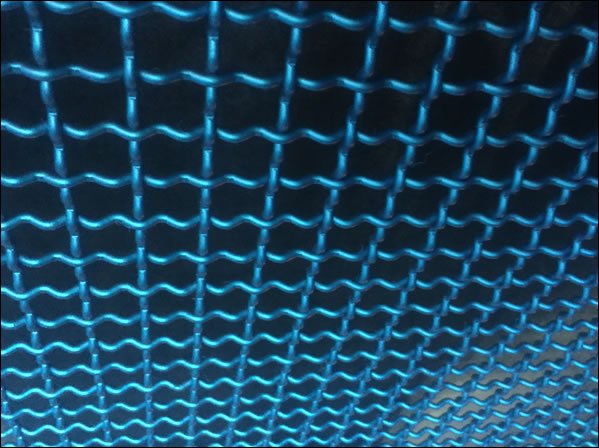
- Decorative Crimped Mesh: Made by weaving pre-crimped wires into rigid patterns, decorative crimped mesh offers strength and ventilation. It's widely used in ceilings, railings, and screening applications. Aperture sizes vary from 10 mm to 50 mm, wire diameters range from 2 mm to 6 mm, and panels are usually sized at 1.2×2.4 meters.
- Metal Coil Drapery: Formed from spirally linked metal coils, this mesh acts like a flexible curtain for architectural and decorative use. Suitable for hotels, commercial lobbies, and shopping centers, it provides light reflection and smooth movement. Coil diameters span from 3 mm to 20 mm, with curtain heights up to 4 meters and customizable widths.
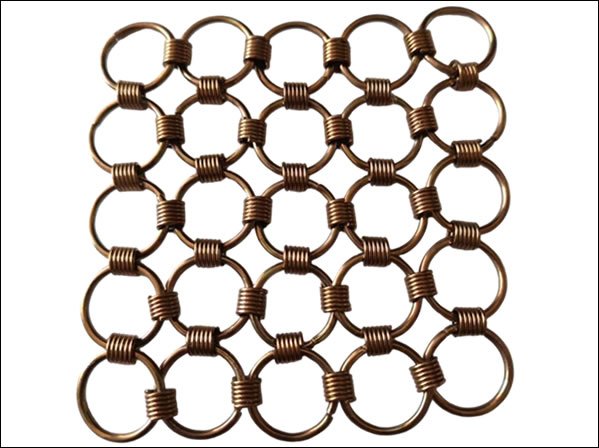
- Ring Mesh Coil Drapery: Similar in appearance to chainmail, this mesh consists of interwoven metal rings, offering strength and fluidity. It's used in public installations, exhibitions, and stage designs. Ring sizes typically range from 7 mm to 12 mm, with mesh widths from 1.5 to 2.5 meters and adjustable lengths.
- Cable Net Rope Mesh: Constructed from stainless steel cables joined by knots or ferrules, this mesh provides secure and transparent enclosures. Common in zoo barriers, green walls, and railing infills, it offers both visibility and safety. Apertures range from 20×20 mm to 100×100 mm, with rope diameters between 1.5 mm and 3.0 mm.
- Facade Mesh Cladding: This system uses various mesh types—perforated, expanded, or woven—to cover building exteriors. It improves ventilation, provides solar shading, and enhances visual design. Standard panels measure 1.5×3 meters, with opening sizes from 5 mm to 30 mm, suitable for modern architectural facades.
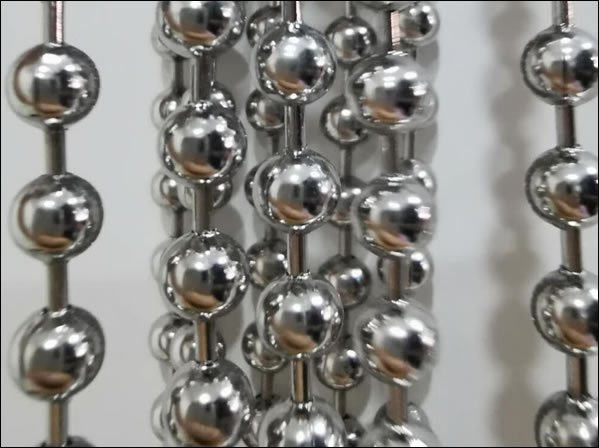
- Metal Bead Curtain: Comprised of vertical strands of metal beads, usually aluminum or stainless steel, these curtains are used in entrances, displays, and decorative partitions. They catch and reflect light for visual effect. Bead diameters range from 3 mm to 8 mm, with lengths from 2 to 4 meters, and customizable strand spacing.
- Facade Woven Wire Fabric: This woven mesh features tightly interlaced wires for exterior wall installations, offering shading, airflow, and durability. Common in architectural facades, it enhances both performance and appearance. Mesh openings range from 5 mm to 20 mm, with typical panels measuring 1×2.5 meters, often tensioned or framed.
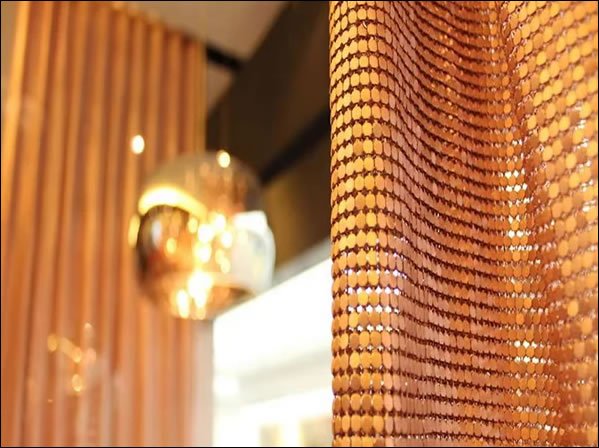
- Metallic Scale Drapery Curtains: Made of small overlapping metal discs, these curtains produce a textured, reflective surface for decorative ceilings and walls. Used in commercial spaces, they provide a dynamic visual effect. Disc diameters range from 10 mm to 30 mm, with widths between 1 and 2 meters and custom lengths available.